
Dental Implants Explained: A Long-Term Fix for Missing Teeth
Blog:Dental Implants Explained: A Long-Term Fix for Missing Teeth
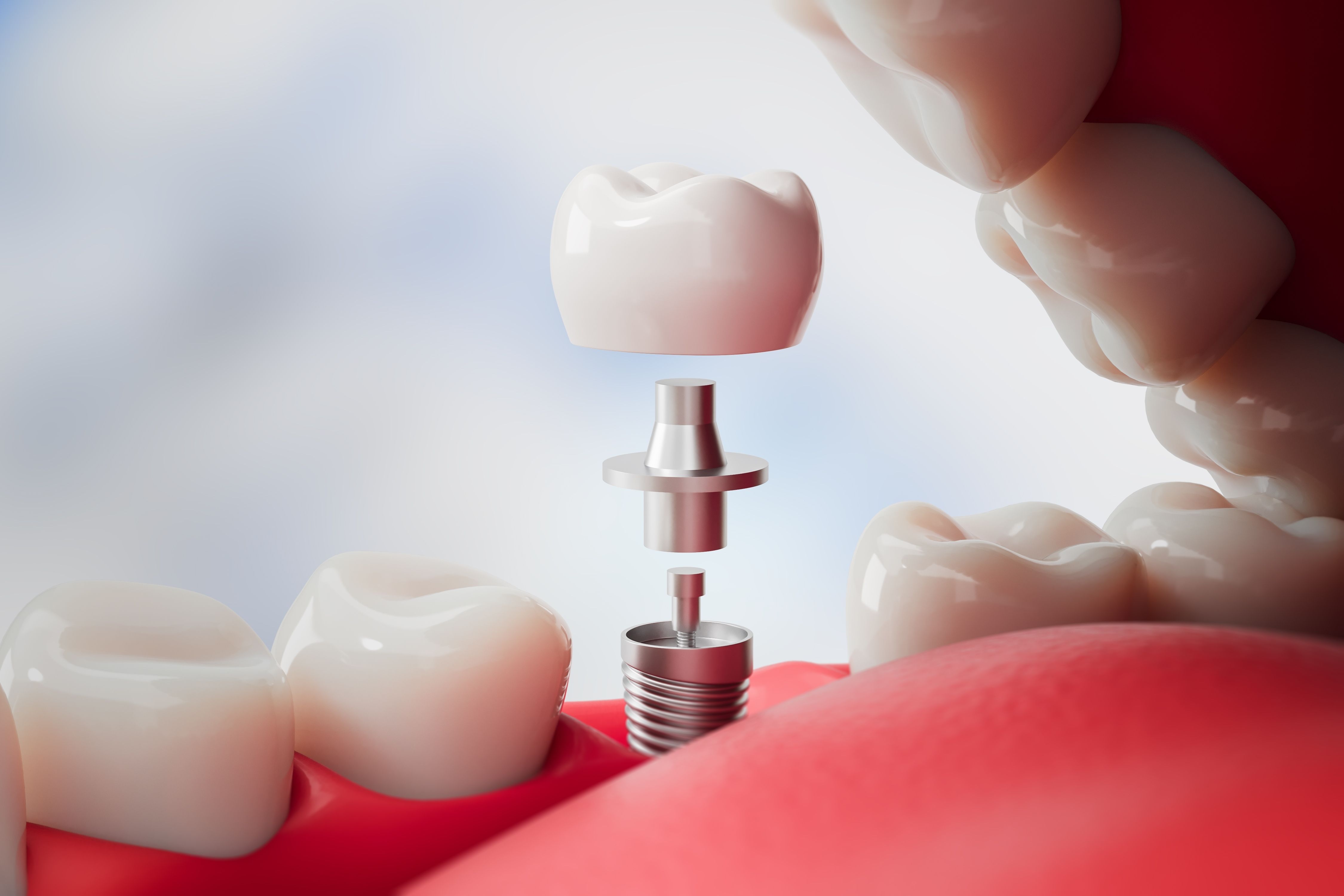
If you’ve got a gap in your smile, you’ve probably already adjusted in little ways - chewing on the other side, skipping crunchy foods, or smiling with your lips closed in photos. It’s common. It’s also frustrating.
We talk with patients about tooth replacement options every week at Matlock Dentistry. And the question is usually the same: “What’s going to feel the most like a real tooth?” For a lot of people, that’s where dental implants come in.
What a Dental Implant Is
An implant isn’t just the “new tooth” you see. The implant is the part underneath - the small post that sits in the jawbone. Once it heals, it can support a crown (the tooth-shaped part).
If you’ve ever heard someone say implants feel “solid,” that’s why. The support is coming from the bone, not from something sitting on top of the gums.
Why Dentists Talk About Bone After a Tooth Is Lost
When a tooth is missing, the bone in that spot can slowly change over time. It doesn’t happen overnight, but it can happen - especially if the area has been empty for a while. That’s one reason we like to at least talk about implants early, even if you’re not ready to decide right away.
What the Process Looks Like at a High Level
Implants take more than one visit. That’s not a bad thing - it’s just how healing works.
Here’s the usual flow:
Consultation and planning
We look at the area, take the right images, and talk about what you want to fix (one tooth, several teeth, a visible front tooth, a back molar you chew with all day, etc.).
Placing the implant
The implant post is placed in the jawbone. Most people are surprised that the appointment is more manageable than they expected - especially when they know the plan and what recovery typically feels like.
Healing time
This is the “wait” part. The bone needs time to stabilize around the implant.
Final tooth (the crown)
Once everything is ready, the crown is placed and shaped to blend in - so it looks like it belongs there.
Sometimes there’s an extra step. Bone grafting is the most common example. If you’ve been told you might need it, it doesn’t automatically mean you’re not a candidate. It just means we plan the case carefully.
Why Patients Like Implants
Most people choose implants because they want to stop thinking about the missing tooth. They want to eat normally, talk normally, and not worry about something shifting or popping loose.
Implants can also be a good fit if you’d rather not put extra stress on the teeth next to the gap (which can happen with some other replacement options).
How to Take Care of An Implant
Implants don’t get cavities, but the gums around them still matter. The best thing you can do is keep the area clean and show up for regular checkups - same as you would with natural teeth. If you grind your teeth at night, tell us. Bite forces can matter with any restoration, and we may recommend protection depending on what we see.
A missing tooth can seem small until you notice how often it affects your day-to-day life. Dental implants are popular because they replace the missing tooth in a stable way and are designed to hold up long term with good care. The best next step is a consultation, so we can look at your specific situation and walk through the options.
If you’re thinking about dental implants, schedule a consultation with Matlock Dentistry in Mansfield, Texas. Call (682) 323-2105 to book your visit and get a clear recommendation based on your smile.
Quick Links
Helpful Articles
article_category: products
article_category: psychiatry
article_category: faqs
article_category: cats
article_category: general
article_category: services
article_category: technology
article_category: dogs
article_category: restorative
article_category: vision therapy
article_category: contact lenses
article_category: health
article_category: conditions
article_category: eye surgery co-management
article_category: exotic
article_category: cosmetic
article_category: surgical procedures
article_category: aesthetics
article_category: preventative
article_category: ocular disease management
article_category: eyeglasses
article_category: eye health
article_category: large animal
[]
article_category: psychiatry
article_category: faqs
article_category: cats
article_category: general
article_category: services
article_category: technology
article_category: dogs
article_category: restorative
article_category: vision therapy
article_category: contact lenses
article_category: health
article_category: conditions
article_category: eye surgery co-management
article_category: exotic
article_category: cosmetic
article_category: surgical procedures
article_category: aesthetics
article_category: preventative
article_category: ocular disease management
article_category: eyeglasses
article_category: eye health
article_category: large animal
[]
Flowbite is an open-source library of interactive components built on top of Tailwind CSS including buttons, dropdowns, modals, navbars, and more.
Check out this guide to learn how to get started and start developing websites even faster with components on top of Tailwind CSS.

All Dental Services
We offer a wide variety of dental services to the Mansfield community. Contact us with any questions about our services.

Keep In Touch
For non-urgent questions or to learn more about our services, contact us today!

© 2026 Matlock Dentistry. All rights Reserved - Accessibility Statement - Privacy Policy - Sitemap
Managed and Designed by 